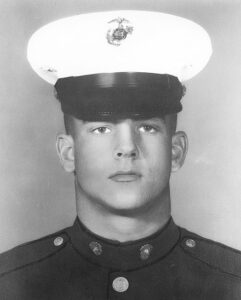
Episode 2900 – Tribute to Vietnam MoH recipient Army SGT Dwight H. Johnson – A Bonafide Hero

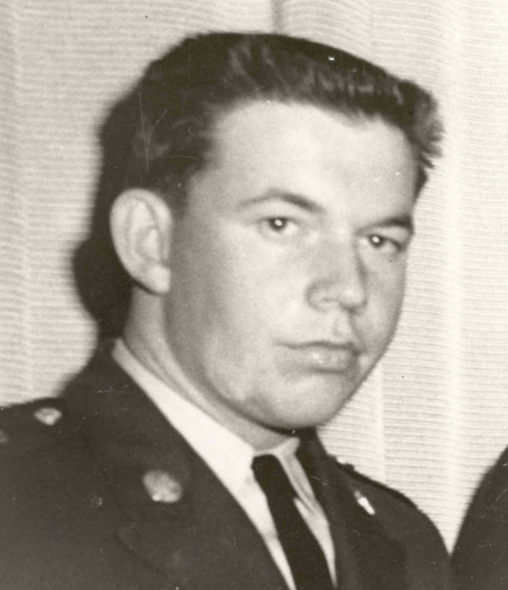
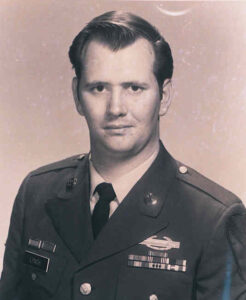
Medal of Honor recipient Army SGT Dwight H. Johnson.

Medal of Honor recipient Army SGT Dwight H. Johnson.

Congressional Medal of Honor, Vietnam Veteran News, Mack Payne

Congressional Medal of Honor

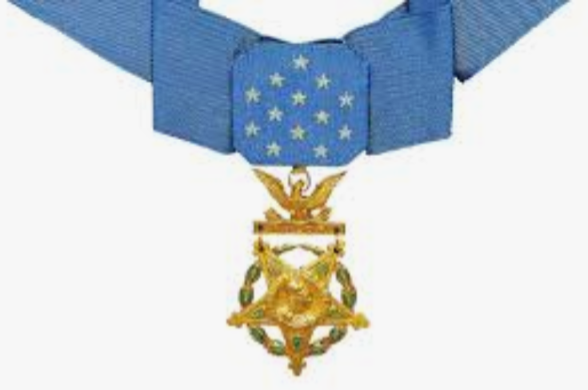
Episode 2900 of the Vietnam Veteran News Podcast will feature Medal of Honor recipient Army SGT Dwight H. Johnson. Information featured in this episode comes from a story in the Cherries Writer – Vietnam War Website.

In the heart of the Vietnam War, Army Sergeant Dwight H. Johnson found himself in a hellish landscape. On January 15, 1968, his tank unit was ambushed while conducting a routine patrol near Dak To. Gunfire erupted like thunder, chaos ensued, and men fell around him.

The attack began as the crews tracked along their assigned route just outside Dak To in the Central Highlands near the Cambodian border, several antitank rockets streaked out of a tree line on their flank, as a battalion-size force of North Vietnamese troops sprung an ambush. Two of the four tanks—the one Johnson usually drove and the one he was in that day— was disabled immediately. Johnson’s tank lost its track, so it could no longer maneuver, but its weaponry remained functional. The other tank which held Johnson’s friends—began to burn furiously.

One soldier who witnessed what Johnson did that day was stunned. He later recalled in an interview, “No one who was there could ever forget the sight of this guy taking on a whole battalion of North Vietnamese soldiers.” Johnson had never been seriously wounded during the battle, despite being exposed to enemy fire for most of it. He was later awarded the Medal of Honor for his actions.

For the quiet, friendly man from Detroit, however, battles were far from an end. Johnson immediately struggled to return to duty, and he was hospitalized, first in Vietnam and then later when he was sent home to Michigan. After the White House ceremony presenting him with his Medal of Honor, Johnson’s mother found him in a corner with tears streaming down his face. “Honey, what are you crying about?” she asked, concerned. “You’ve made it back,” Johnson complained to his doctors of being unable to sleep due to constant nightmares. He also expressed tremendous survivor’s guilt. He not only believed he should have been with his friends in that burning tank, but he also felt guilty about receiving honors for living through the fight.

Listen to Episode 2900 and discover more about Medal of Honor recipient Army SGT Dwight H. Johnson.

Posted in Podcast Episodes | Leave a comment

Episode 2899 – Tribute to Vietnam MoH recipient Army SFC Lawrence Joel – A Saint

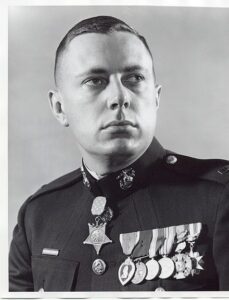
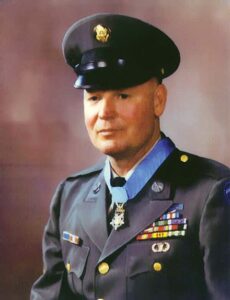
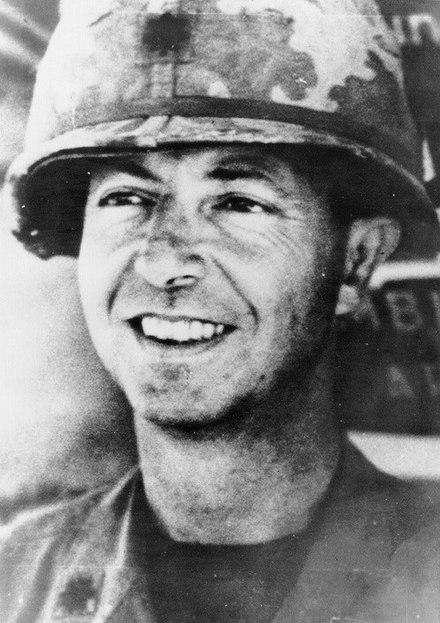
Medal of Honor recipient Army SFC Lawrence Joel.

Medal of Honor recipient Army SFC Lawrence Joel.

Congressional Medal of Honor, Vietnam Veteran News, Mack Payne

Congressional Medal of Honor

Episode 2899 of the Vietnam Veteran News Podcast will feature Medal of Honor recipient Marine Army SFC Lawrence Joel. Information featured in this episode comes from Wikipedia and the U.S. Citizenship and immigration Services website..

In the thick jungles of Vietnam in 1966, Army SFC Lawrence Joel found himself amidst chaos. The sounds of gunfire echoed through the air, drowning out the cries of the wounded. As a medic, his mission was clear: save lives, no matter the cost.

On that fateful day, his unit was ambushed. The enemy was relentless, and the wounded soldiers lay scattered, some in desperate need of immediate care. Without a second thought, Joel charged into the fray. Bullets whizzed past him, but he pressed on, his training guiding every step.

He reached the first soldier, a young private who lay bleeding heavily. Joel administered first aid, his hands steady despite the tumult around him. Each life he saved fueled his determination. As he moved from one soldier to another, he realized the gravity of his actions; he wasn’t just patching wounds but providing hope.

After hours of relentless effort, Joel had treated countless men, dragging them to safety and tending to their injuries. His courage was infectious, inspiring those around him to fight back. When the firefight finally subsided, Joel emerged, battered but unbroken, having saved 13 lives that day.

For his extraordinary bravery and unwavering dedication, SFC Lawrence Joel received the Medal of Honor, but to him, the real reward was knowing he had made a difference. Years later, he often reflected on that day, not just as a soldier, but as a healer, embodying the spirit of service and sacrifice that defines true heroism.

Listen to Episode 2899 and discover more about Medal of Honor recipient Army SFC Lawrence Joel.

Posted in Podcast Episodes | 1 Comment

Episode 2898 – The Agent Blue Story – Part 9

Vietnamese rice fields

Vietnamese rice fields that were subject to Agent Blue applications during the Vietnam War.

Vietnamese boy using a tube well.

Vietnamese boy using a tube well.

Episode 2898 of the Vietnam Veteran News Podcast will feature the story of Agent Blue and its use during the American Vietnam War. The story was told in a new paper by Authors: Kenneth R. Olson and Bryan R. Higgins. 1Kenneth R. Olson enlisted in the US Army and served as a Clerk Typist (SP5) at Fort Knox, Kentucky and as a Supply Sergeant in the US Army Reserves at Cleveland, Ohio during the Vietnam Era (1969 to 1973). Professor Emeritus of Soil Science, NRES, ACES, University of Illinois, Urbana, Illinois Email: krolson@illinois.edu

Bryan R. Higgins is a Distinguished Service Professor of Geography and Planning Emeritus at the State University of New York. He was drafted into the US Army and served as a Science and Engineering Aid in the Neurophysiology Section of the US Army Chemical Corps during the Vietnam era. Email: higginbr@plattsburgh.edu

Their paper titled: The Secret Toxic Legacies of Chemical Warfare: Agent Blue Use During the 2nd Indochina and Vietnam Wars in Laos, Cambodia, and Vietnam (1961 to 1971) tells about the use of Agent Blue in the American Vietnam War.

The paper begins in 1942, as it recount how biological warfare scientists at Camp Detrick, Maryland, began investigating the possible uses of defoliant herbicides, based on Dr. Arthur W. Galston’s scientific discoveries, while working with TIBA. The U.S. Department of Army’s Chemical Corps Biological Laboratories initiated a major program in 1952 at Camp Detrick, Maryland to develop both the herbicide formulations and aerial spray equipment for potential deployment in the Korean Conflict. The Agent Blue precursor reagent, cacodylic acid, was invented at Fort Detrick in 1957

 The paper ends with these questions: The primary objective is to determine why no major news organization in the United States, including the New York Times and Washington Post, have never investigated Agent Blue use during the 2nd Indochina and Vietnam wars? Why did the use of Agent Blue story, used to destroy Laotian, Cambodian, and South Vietnamese civilian food (rice) sources and production sites, received only very limited coverage by US print media news organizations during the last 64 years?

Listen to Episode 2898 and discover more about the Agent Blue story.

Posted in Podcast Episodes | Leave a comment

Episode 2897 – The Agent Blue Story – Part 8

Spraying herbicides in Vietnam.

Spraying herbicides in Vietnam.

Episode 2897 of the Vietnam Veteran News Podcast will feature the story of Agent Blue and its use during the American Vietnam War. The story was told in a new paper by Authors: Kenneth R. Olson and Bryan R. Higgins. 1Kenneth R. Olson enlisted in the US Army and served as a Clerk Typist (SP5) at Fort Knox, Kentucky and as a Supply Sergeant in the US Army Reserves at Cleveland, Ohio during the Vietnam Era (1969 to 1973). Professor Emeritus of Soil Science, NRES, ACES, University of Illinois, Urbana, Illinois Email: krolson@illinois.edu

Bryan R. Higgins is a Distinguished Service Professor of Geography and Planning Emeritus at the State University of New York. He was drafted into the US Army and served as a Science and Engineering Aid in the Neurophysiology Section of the US Army Chemical Corps during the Vietnam era. Email: higginbr@plattsburgh.edu

Their paper titled: The Secret Toxic Legacies of Chemical Warfare: Agent Blue Use During the 2nd Indochina and Vietnam Wars in Laos, Cambodia, and Vietnam (1961 to 1971) tells about the use of Agent Blue in the American Vietnam War.

The paper begins in 1942, as it recount how biological warfare scientists at Camp Detrick, Maryland, began investigating the possible uses of defoliant herbicides, based on Dr. Arthur W. Galston’s scientific discoveries, while working with TIBA. The U.S. Department of Army’s Chemical Corps Biological Laboratories initiated a major program in 1952 at Camp Detrick, Maryland to develop both the herbicide formulations and aerial spray equipment for potential deployment in the Korean Conflict. The Agent Blue precursor reagent, cacodylic acid, was invented at Fort Detrick in 1957

The paper ends with these questions: The primary objective is to determine why no major news organization in the United States, including the New York Times and Washington Post, have never investigated Agent Blue use during the 2nd Indochina and Vietnam wars? Why did the use of Agent Blue story, used to destroy Laotian, Cambodian, and South Vietnamese civilian food (rice) sources and production sites, received only very limited coverage by US print media news organizations during the last 64 years?

Listen to Episode 2897 and discover more about the Agent Blue story.

Posted in Podcast Episodes | Leave a comment

Episode 2896 – The Agent Blue Story – Part 7

Vietnam, Laos and Cambodia

Vietnam, Laos and Cambodia

Episode 2896 of the Vietnam Veteran News Podcast will feature the story of Agent Blue and its use during the American Vietnam War. The story was told in a new paper by Authors: Kenneth R. Olson and Bryan R. Higgins. 1Kenneth R. Olson enlisted in the US Army and served as a Clerk Typist (SP5) at Fort Knox, Kentucky and as a Supply Sergeant in the US Army Reserves at Cleveland, Ohio during the Vietnam Era (1969 to 1973). Professor Emeritus of Soil Science, NRES, ACES, University of Illinois, Urbana, Illinois Email: krolson@illinois.edu

Bryan R. Higgins is a Distinguished Service Professor of Geography and Planning Emeritus at the State University of New York. He was drafted into the US Army and served as a Science and Engineering Aid in the Neurophysiology Section of the US Army Chemical Corps during the Vietnam era. Email: higginbr@plattsburgh.edu

Their paper titled: The Secret Toxic Legacies of Chemical Warfare: Agent Blue Use During the 2nd Indochina and Vietnam Wars in Laos, Cambodia, and Vietnam (1961 to 1971) tells about the use of Agent Blue in the American Vietnam War.

The paper begins in 1942, as it recount how biological warfare scientists at Camp Detrick, Maryland, began investigating the possible uses of defoliant herbicides, based on Dr. Arthur W. Galston’s scientific discoveries, while working with TIBA. The U.S. Department of Army’s Chemical Corps Biological Laboratories initiated a major program in 1952 at Camp Detrick, Maryland to develop both the herbicide formulations and aerial spray equipment for potential deployment in the Korean Conflict. The Agent Blue precursor reagent, cacodylic acid, was invented at Fort Detrick in 1957

The paper ends with these questions: The primary objective is to determine why no major news organization in the United States, including the New York Times and Washington Post, have never investigated Agent Blue use during the 2nd Indochina and Vietnam wars? Why did the use of Agent Blue story, used to destroy Laotian, Cambodian, and South Vietnamese civilian food (rice) sources and production sites, received only very limited coverage by US print media news organizations during the last 64 years?

Listen to Episode 2896 and discover more about the Agent Blue story.

Posted in Podcast Episodes | Leave a comment

Episode 2895 – The Agent Blue Story – Part 6

Vietnamese rice fields

Vietnamese rice fields that were subject to Agent Blue applications during the Vietnam War.

Episode 2895 of the Vietnam Veteran News Podcast will feature the story of Agent Blue and its use during the American Vietnam War. The story was told in a new paper by Authors: Kenneth R. Olson and Bryan R. Higgins. 1Kenneth R. Olson enlisted in the US Army and served as a Clerk Typist (SP5) at Fort Knox, Kentucky and as a Supply Sergeant in the US Army Reserves at Cleveland, Ohio during the Vietnam Era (1969 to 1973). Professor Emeritus of Soil Science, NRES, ACES, University of Illinois, Urbana, Illinois Email: krolson@illinois.edu

Bryan R. Higgins is a Distinguished Service Professor of Geography and Planning Emeritus at the State University of New York. He was drafted into the US Army and served as a Science and Engineering Aid in the Neurophysiology Section of the US Army Chemical Corps during the Vietnam era. Email: higginbr@plattsburgh.edu

Their paper titled: The Secret Toxic Legacies of Chemical Warfare: Agent Blue Use During the 2nd Indochina and Vietnam Wars in Laos, Cambodia, and Vietnam (1961 to 1971) tells about the use of Agent Blue in the American Vietnam War.

The paper begins in 1942, as it recount how biological warfare scientists at Camp Detrick, Maryland, began investigating the possible uses of defoliant herbicides, based on Dr. Arthur W. Galston’s scientific discoveries, while working with TIBA. The U.S. Department of Army’s Chemical Corps Biological Laboratories initiated a major program in 1952 at Camp Detrick, Maryland to develop both the herbicide formulations and aerial spray equipment for potential deployment in the Korean Conflict. The Agent Blue precursor reagent, cacodylic acid, was invented at Fort Detrick in 1957

The paper ends with these questions: The primary objective is to determine why no major news organization in the United States, including the New York Times and Washington Post, have never investigated Agent Blue use during the 2nd Indochina and Vietnam wars? Why did the use of Agent Blue story, used to destroy Laotian, Cambodian, and South Vietnamese civilian food (rice) sources and production sites, received only very limited coverage by US print media news organizations during the last 64 years?

Listen to Episode 2895 and discover more about the Agent Blue story.

Posted in Podcast Episodes | Leave a comment

Episode 2894 – The Agent Blue Story – Part 5

Vietnamese boy using a tube well.

Vietnamese boy using a tube well.

Episode 2894 of the Vietnam Veteran News Podcast will feature the story of Agent Blue and its use during the American Vietnam War. The story was told in a new paper by Authors: Kenneth R. Olson and Bryan R. Higgins. 1Kenneth R. Olson enlisted in the US Army and served as a Clerk Typist (SP5) at Fort Knox, Kentucky and as a Supply Sergeant in the US Army Reserves at Cleveland, Ohio during the Vietnam Era (1969 to 1973). Professor Emeritus of Soil Science, NRES, ACES, University of Illinois, Urbana, Illinois Email: krolson@illinois.edu

Bryan R. Higgins is a Distinguished Service Professor of Geography and Planning Emeritus at the State University of New York. He was drafted into the US Army and served as a Science and Engineering Aid in the Neurophysiology Section of the US Army Chemical Corps during the Vietnam era. Email: higginbr@plattsburgh.edu

Their paper titled: The Secret Toxic Legacies of Chemical Warfare: Agent Blue Use During the 2nd Indochina and Vietnam Wars in Laos, Cambodia, and Vietnam (1961 to 1971) tells about the use of Agent Blue in the American Vietnam War.

The paper begins in 1942, as it recount how biological warfare scientists at Camp Detrick, Maryland, began investigating the possible uses of defoliant herbicides, based on Dr. Arthur W. Galston’s scientific discoveries, while working with TIBA. The U.S. Department of Army’s Chemical Corps Biological Laboratories initiated a major program in 1952 at Camp Detrick, Maryland to develop both the herbicide formulations and aerial spray equipment for potential deployment in the Korean Conflict. The Agent Blue precursor reagent, cacodylic acid, was invented at Fort Detrick in 1957

 The paper ends with these questions: The primary objective is to determine why no major news organization in the United States, including the New York Times and Washington Post, have never investigated Agent Blue use during the 2nd Indochina and Vietnam wars? Why did the use of Agent Blue story, used to destroy Laotian, Cambodian, and South Vietnamese civilian food (rice) sources and production sites, received only very limited coverage by US print media news organizations during the last 64 years?

Listen to Episode 2894 and discover more about the Agent Blue story.

Posted in Podcast Episodes | Leave a comment

Episode 2893 – The Agent Blue Story – Part 4.

Vietnamese boy using a tube well.

Vietnamese boy using a tube well.

Episode 2893 of the Vietnam Veteran News Podcast will feature the story of Agent Blue and its use during the American Vietnam War. The story was told in a new paper by Authors: Kenneth R. Olson and Bryan R. Higgins. 1Kenneth R. Olson enlisted in the US Army and served as a Clerk Typist (SP5) at Fort Knox, Kentucky and as a Supply Sergeant in the US Army Reserves at Cleveland, Ohio during the Vietnam Era (1969 to 1973). Professor Emeritus of Soil Science, NRES, ACES, University of Illinois, Urbana, Illinois Email: krolson@illinois.edu

Bryan R. Higgins is a Distinguished Service Professor of Geography and Planning Emeritus at the State University of New York. He was drafted into the US Army and served as a Science and Engineering Aid in the Neurophysiology Section of the US Army Chemical Corps during the Vietnam era. Email: higginbr@plattsburgh.edu

Their paper titled: The Secret Toxic Legacies of Chemical Warfare: Agent Blue Use During the 2nd Indochina and Vietnam Wars in Laos, Cambodia, and Vietnam (1961 to 1971) tells about the use of Agent Blue in the American Vietnam War.

The paper begins in 1942, as it recount how biological warfare scientists at Camp Detrick, Maryland, began investigating the possible uses of defoliant herbicides, based on Dr. Arthur W. Galston’s scientific discoveries, while working with TIBA. The U.S. Department of Army’s Chemical Corps Biological Laboratories initiated a major program in 1952 at Camp Detrick, Maryland to develop both the herbicide formulations and aerial spray equipment for potential deployment in the Korean Conflict. The Agent Blue precursor reagent, cacodylic acid, was invented at Fort Detrick in 1957

The paper ends with these questions: The primary objective is to determine why no major news organization in the United States, including the New York Times and Washington Post, have never investigated Agent Blue use during the 2nd Indochina and Vietnam wars? Why did the use of Agent Blue story, used to destroy Laotian, Cambodian, and South Vietnamese civilian food (rice) sources and production sites, received only very limited coverage by US print media news organizations during the last 64 years?

.Listen to Episode 2893 and discover more about the Agent Blue story.

Posted in Podcast Episodes | Leave a comment

Episode 2892 – The Agent Blue Story – Part 3

Spraying herbicides in Vietnam.

Spraying herbicides in Vietnam.

Episode 2892 of the Vietnam Veteran News Podcast will feature the story of Agent Blue and its use during the American Vietnam War. The story was told in a new paper by Authors: Kenneth R. Olson and Bryan R. Higgins. 1Kenneth R. Olson enlisted in the US Army and served as a Clerk Typist (SP5) at Fort Knox, Kentucky and as a Supply Sergeant in the US Army Reserves at Cleveland, Ohio during the Vietnam Era (1969 to 1973). Professor Emeritus of Soil Science, NRES, ACES, University of Illinois, Urbana, Illinois Email: krolson@illinois.edu

Bryan R. Higgins is a Distinguished Service Professor of Geography and Planning Emeritus at the State University of New York. He was drafted into the US Army and served as a Science and Engineering Aid in the Neurophysiology Section of the US Army Chemical Corps during the Vietnam era. Email: higginbr@plattsburgh.edu

Their paper titled: The Secret Toxic Legacies of Chemical Warfare: Agent Blue Use During the 2nd Indochina and Vietnam Wars in Laos, Cambodia, and Vietnam (1961 to 1971) tells about the use of Agent Blue in the American Vietnam War.

The paper begins in 1942, as it recount how biological warfare scientists at Camp Detrick, Maryland, began investigating the possible uses of defoliant herbicides, based on Dr. Arthur W. Galston’s scientific discoveries, while working with TIBA. The U.S. Department of Army’s Chemical Corps Biological Laboratories initiated a major program in 1952 at Camp Detrick, Maryland to develop both the herbicide formulations and aerial spray equipment for potential deployment in the Korean Conflict. The Agent Blue precursor reagent, cacodylic acid, was invented at Fort Detrick in 1957

The paper ends with these questions: The primary objective is to determine why no major news organization in the United States, including the New York Times and Washington Post, have never investigated Agent Blue use during the 2nd Indochina and Vietnam wars? Why did the use of Agent Blue story, used to destroy Laotian, Cambodian, and South Vietnamese civilian food (rice) sources and production sites, received only very limited coverage by US print media news organizations during the last 64 years?

.Listen to Episode 2892 and discover more about the Agent Blue story.


Posted in Podcast Episodes | Leave a comment

Episode 2891 – The Agent Blue Story – Part 2

Vietnamese rice fields

Vietnamese rice fields that were subject to Agent Blue applications during the Vietnam War.

Episode 2891 of the Vietnam Veteran News Podcast will feature the story of Agent Blue and its use during the American Vietnam War. The story was told in a new paper by Authors: Kenneth R. Olson and Bryan R. Higgins. 1Kenneth R. Olson enlisted in the US Army and served as a Clerk Typist (SP5) at Fort Knox, Kentucky and as a Supply Sergeant in the US Army Reserves at Cleveland, Ohio during the Vietnam Era (1969 to 1973). Professor Emeritus of Soil Science, NRES, ACES, University of Illinois, Urbana, Illinois Email: krolson@illinois.edu

Bryan R. Higgins is a Distinguished Service Professor of Geography and Planning Emeritus at the State University of New York. He was drafted into the US Army and served as a Science and Engineering Aid in the Neurophysiology Section of the US Army Chemical Corps during the Vietnam era. Email: higginbr@plattsburgh.edu

Their paper titled: The Secret Toxic Legacies of Chemical Warfare: Agent Blue Use During the 2nd Indochina and Vietnam Wars in Laos, Cambodia, and Vietnam (1961 to 1971) tells about the use of Agent Blue in the American Vietnam War.

The paper begins in 1942, as it recount how biological warfare scientists at Camp Detrick, Maryland, began investigating the possible uses of defoliant herbicides, based on Dr. Arthur W. Galston’s scientific discoveries, while working with TIBA. The U.S. Department of Army’s Chemical Corps Biological Laboratories initiated a major program in 1952 at Camp Detrick, Maryland to develop both the herbicide formulations and aerial spray equipment for potential deployment in the Korean Conflict. The Agent Blue precursor reagent, cacodylic acid, was invented at Fort Detrick in 1957

The paper ends with these questions: The primary objective is to determine why no major news organization in the United States, including the New York Times and Washington Post, have never investigated Agent Blue use during the 2nd Indochina and Vietnam wars? Why did the use of Agent Blue story, used to destroy Laotian, Cambodian, and South Vietnamese civilian food (rice) sources and production sites, received only very limited coverage by US print media news organizations during the last 64 years?

.Listen to Episode 2891 and discover more about the Agent Blue story.

Posted in Podcast Episodes | Leave a comment