Podcast: Play in new window | Download
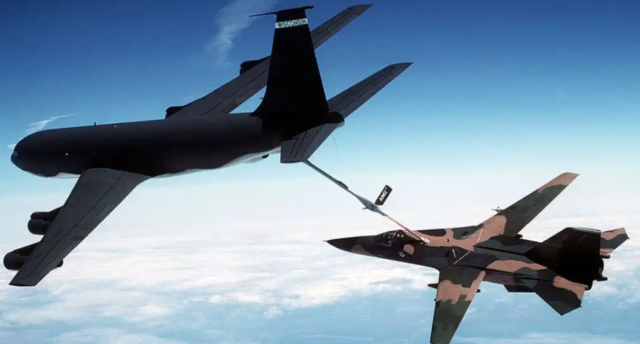
KC-135 towing an F-111
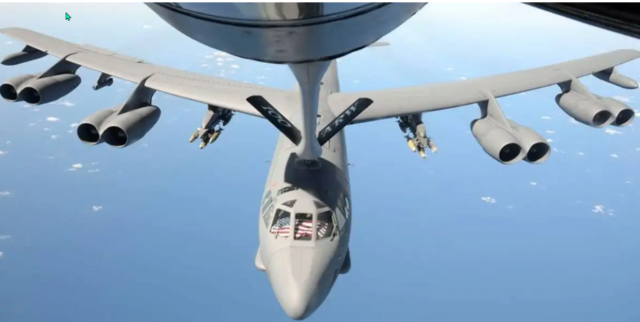
B-52 refueling.
Episode 3397 of the Vietnam Veteran News Podcast will feature a story about the KC-135 role in the Vietnam War. The featured story is titled: KC-135 navigator recalls his Stratotanker towing damaged F-111 Fighter through the skies of North Vietnam back to Thailand. It appeared on the Aviation Geek Club website and was submitted by Dario Leone.
Leone reported that The KC-135 Stratotanker was one of the most important aircraft supporting American military operations during the Vietnam War. Developed by The Boeing Company, the aircraft extended the range of U.S. bombers and fighter-bombers, allowing American aircrews to strike enemy targets and return safely to base. Its remarkable service represents the courage, ingenuity, and dedication of the Vietnam Veteran generation.
Based on Boeing’s Model 367-80 design, the KC-135 first entered Air Force service in the 1950s. Originally designed to refuel Strategic Air Command bombers, the U.S. Air Force aerial refueling tanker became indispensable during the Vietnam conflict, supporting combat aircraft across Southeast Asia.
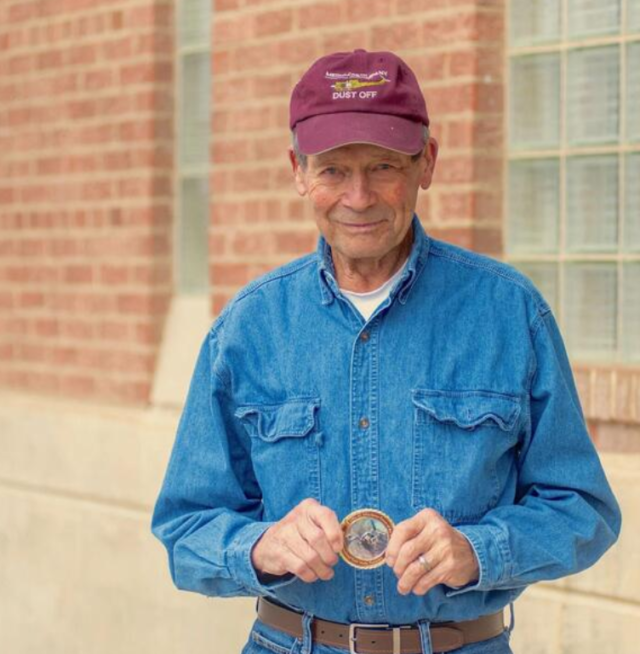
One extraordinary mission involved a damaged F-111 Aardvark fighter-bomber over North Vietnam. After the fighter crew transmitted a desperate Mayday call reporting a missile strike, retired Maj. Jim Hickman and his KC-135 crew immediately responded. They located the stricken aircraft and began transferring fuel. When they discovered fuel spilling from the damaged fighter, the tanker crew used a technique called locking the toggles, allowing the KC-135 to tow the F-111 through the skies toward Thailand while continuing to provide fuel. The fighter eventually disconnected and glided to a safe landing, saving the lives of its two crew members and potentially preventing their capture as prisoners of war.
The KC-135 Stratotanker also played a vital role in supporting B-52 Stratofortress bombers flying grueling 16-hour missions from Guam. Without aerial refueling, these strategic bombers could not have completed many of their missions against enemy supply lines, weapons arsenals, and military resources.
Retired Maj. Wendell Skinner emphasized that B-52 crews depended on KC-135 tankers to reach their targets and return home safely.
These remarkable missions highlight the teamwork, sacrifice, and professionalism of the American servicemen who served during the Vietnam War. From tanker crews and bomber pilots to fighter aircrews and ground forces, our Vietnam Veterans demonstrated extraordinary courage and commitment to one another. Their stories deserve recognition, respect, and preservation for future generations.
Listen to episode 3397 and discover more about the KC-135 role in the Vietnam War.